Political Science 263, European Political Economy Spring Term 2004
Session 7: The Institutions of the European Union
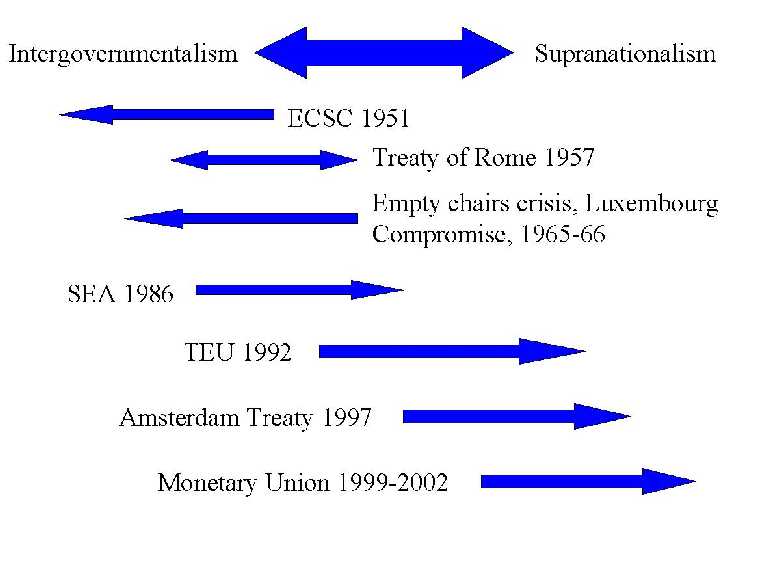
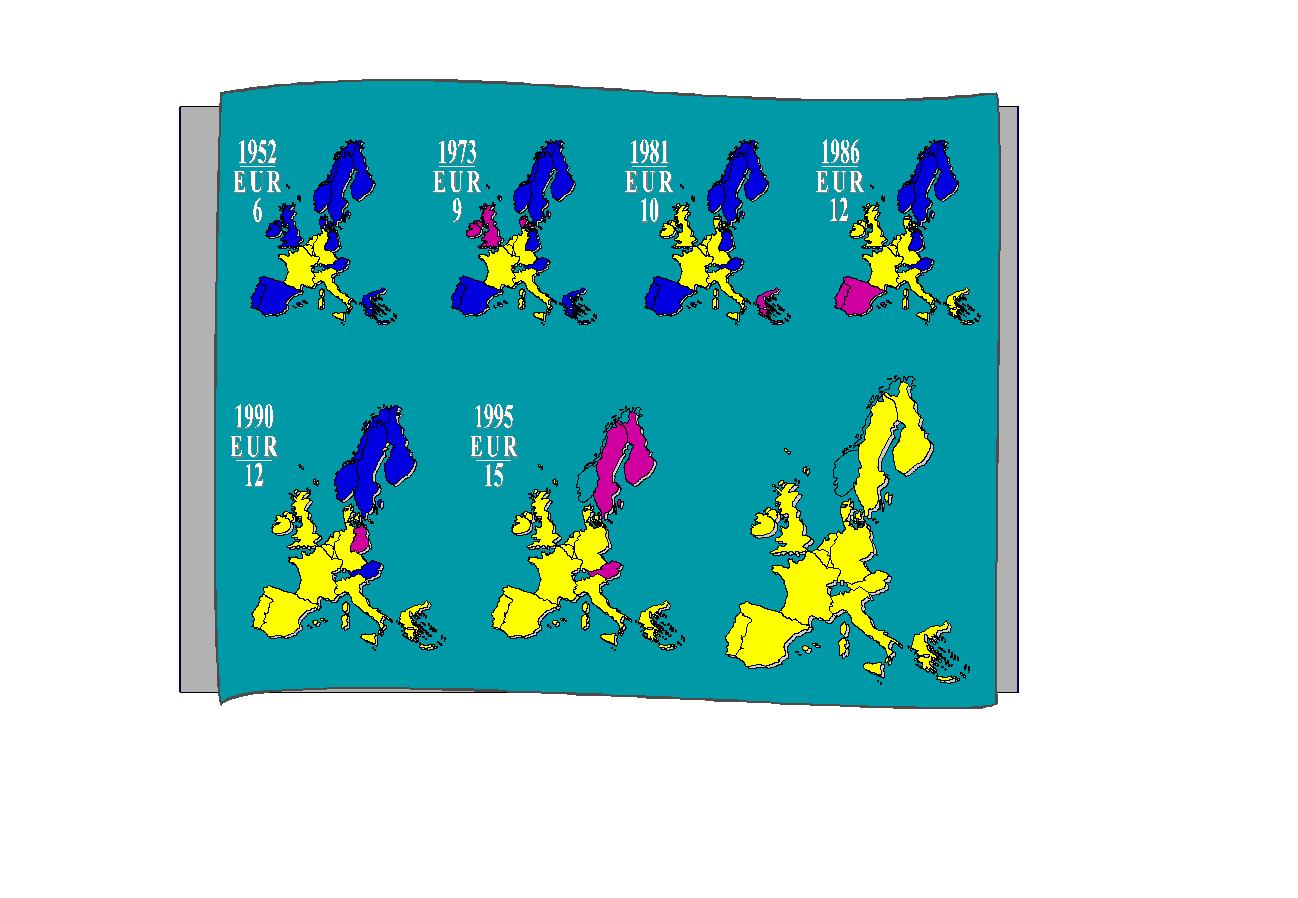
I. Basic History of the European Union (Graphic Overview) (Milestones) (Complete History of EU)
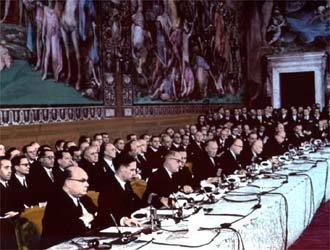
A. PredecessorsB. The Treaty of Rome (1957) (graphic)
II. Policymaking Within the European Union
A. Major Institutions (graphic) (photos)
1) The Commission2) The Council
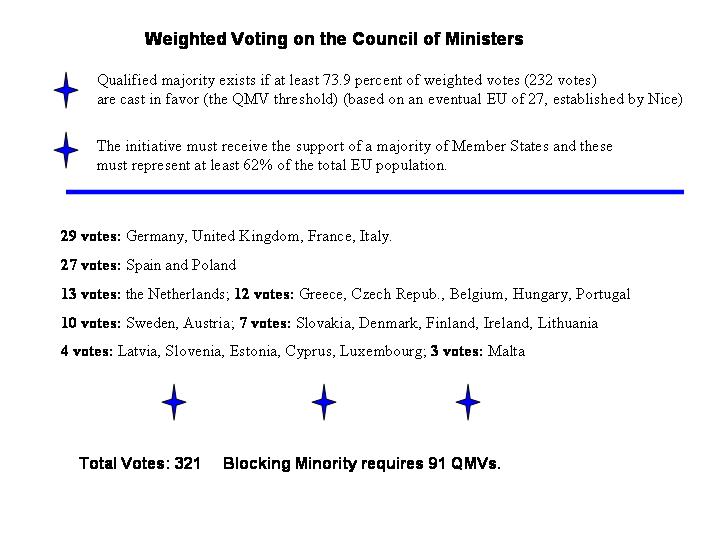
B. Voting Procedures (Weighted Voting) (Co-decision)
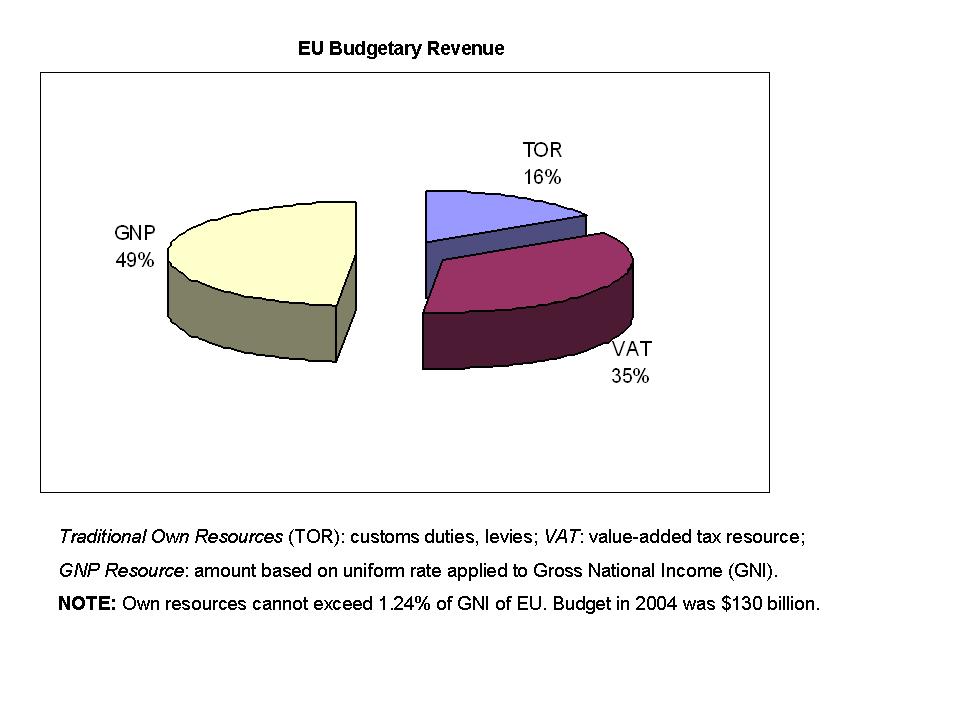
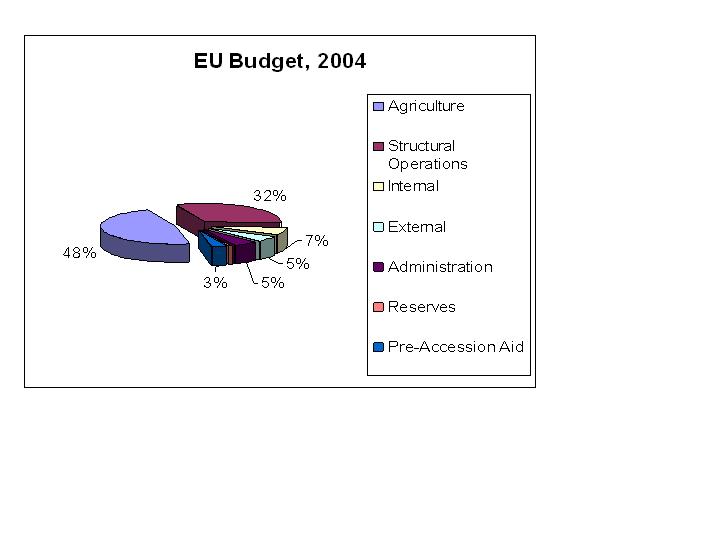
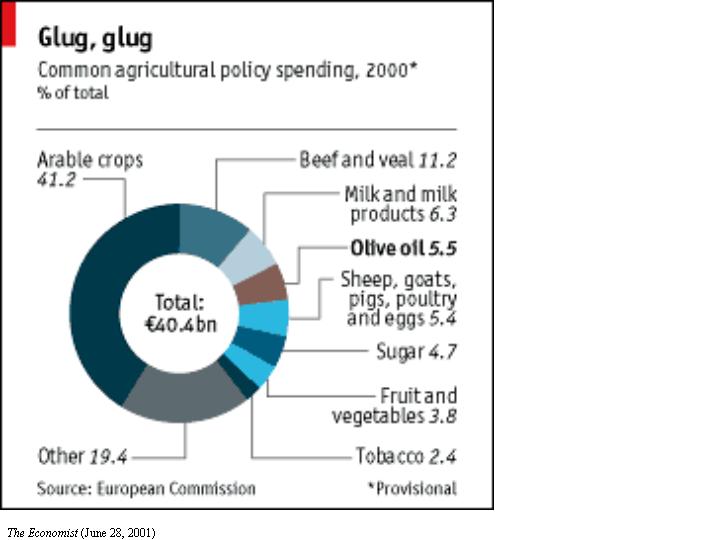
C. Budget (Revenues) (Spending) (Financing) (Net Transfers) (CAP (EAGGF) Spending) (Structural Funds)
D. Problems of Governance (graphic)
III. The Maastricht Convergence Agenda and Domestic Interests (Intra-EU Trade)
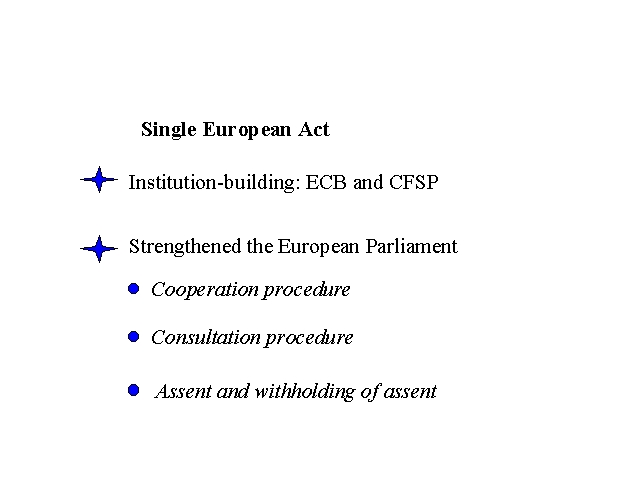
A. The European Monetary System (The Snake) (ECU)B. Pre-Maastricht Agenda (SEA)
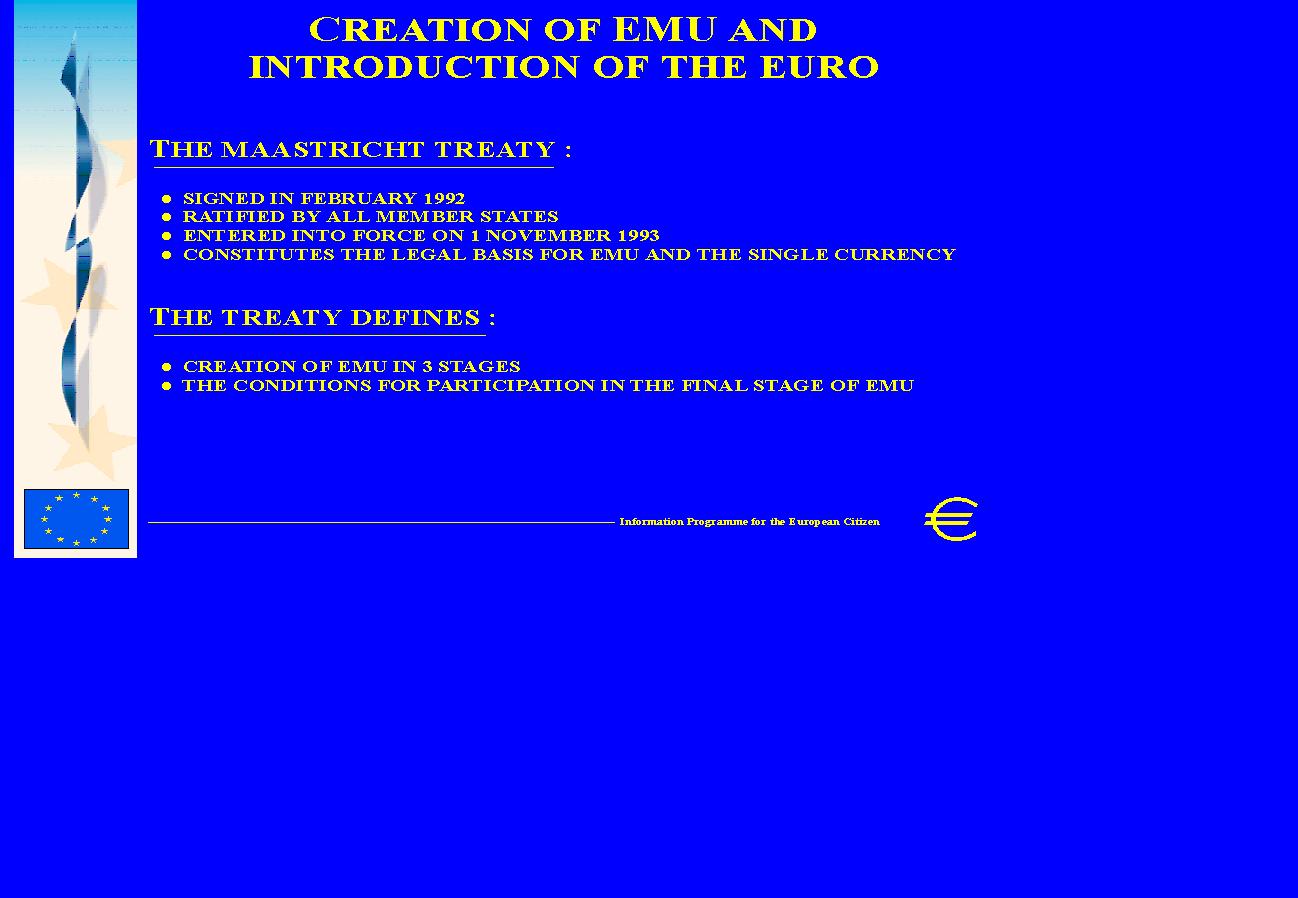
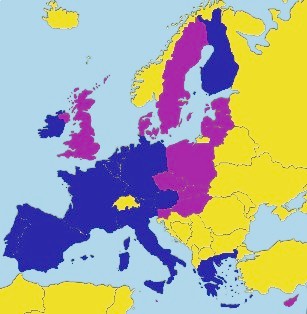
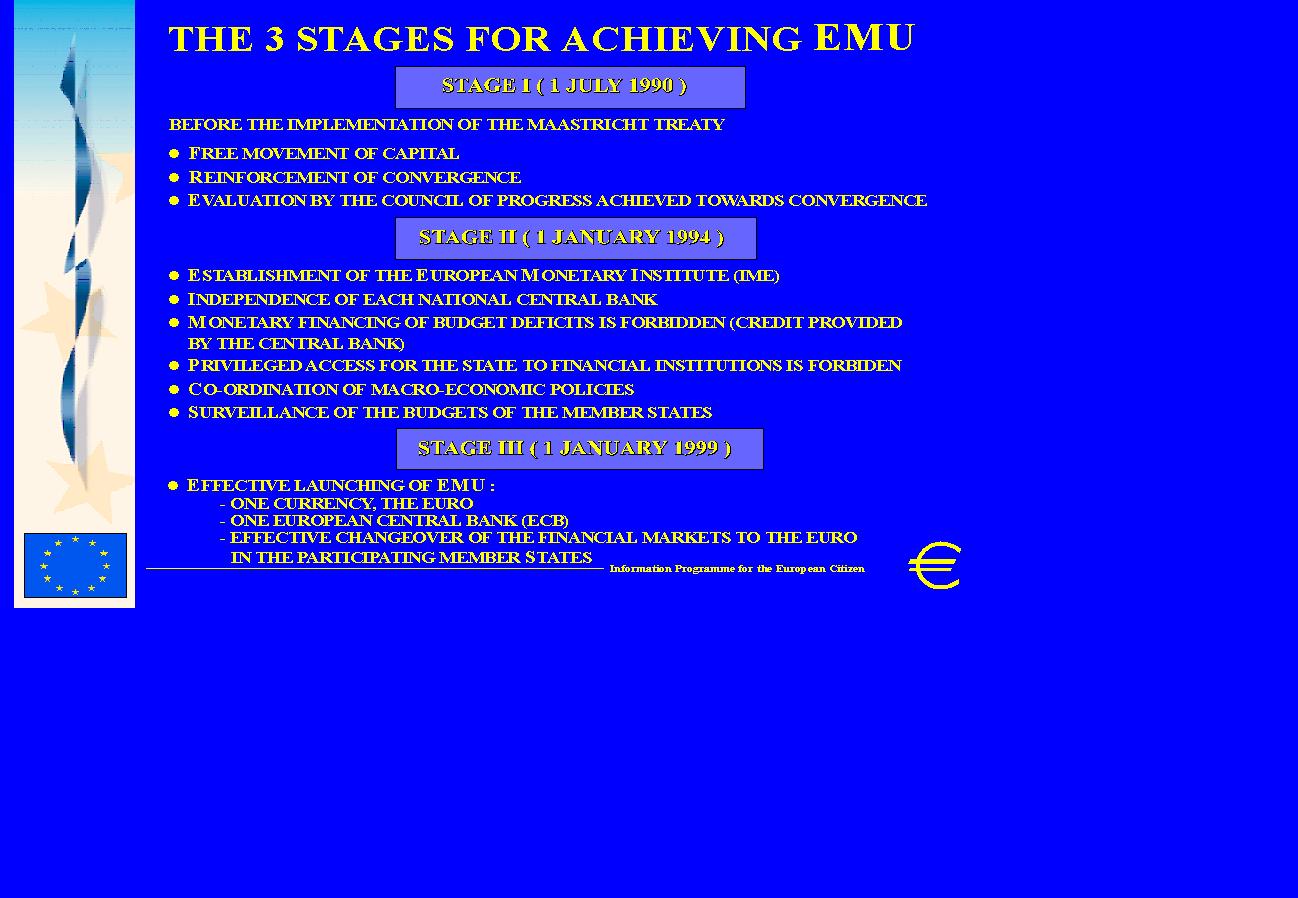
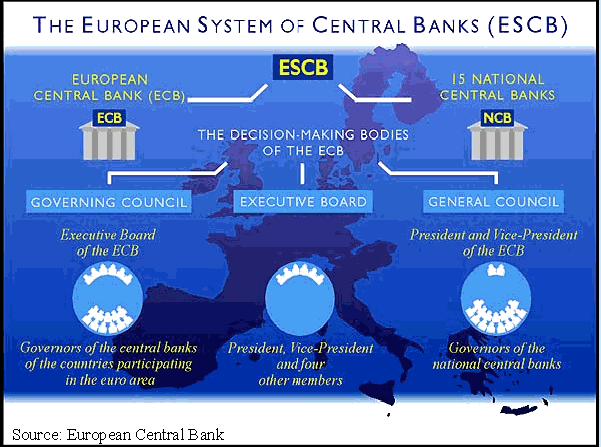
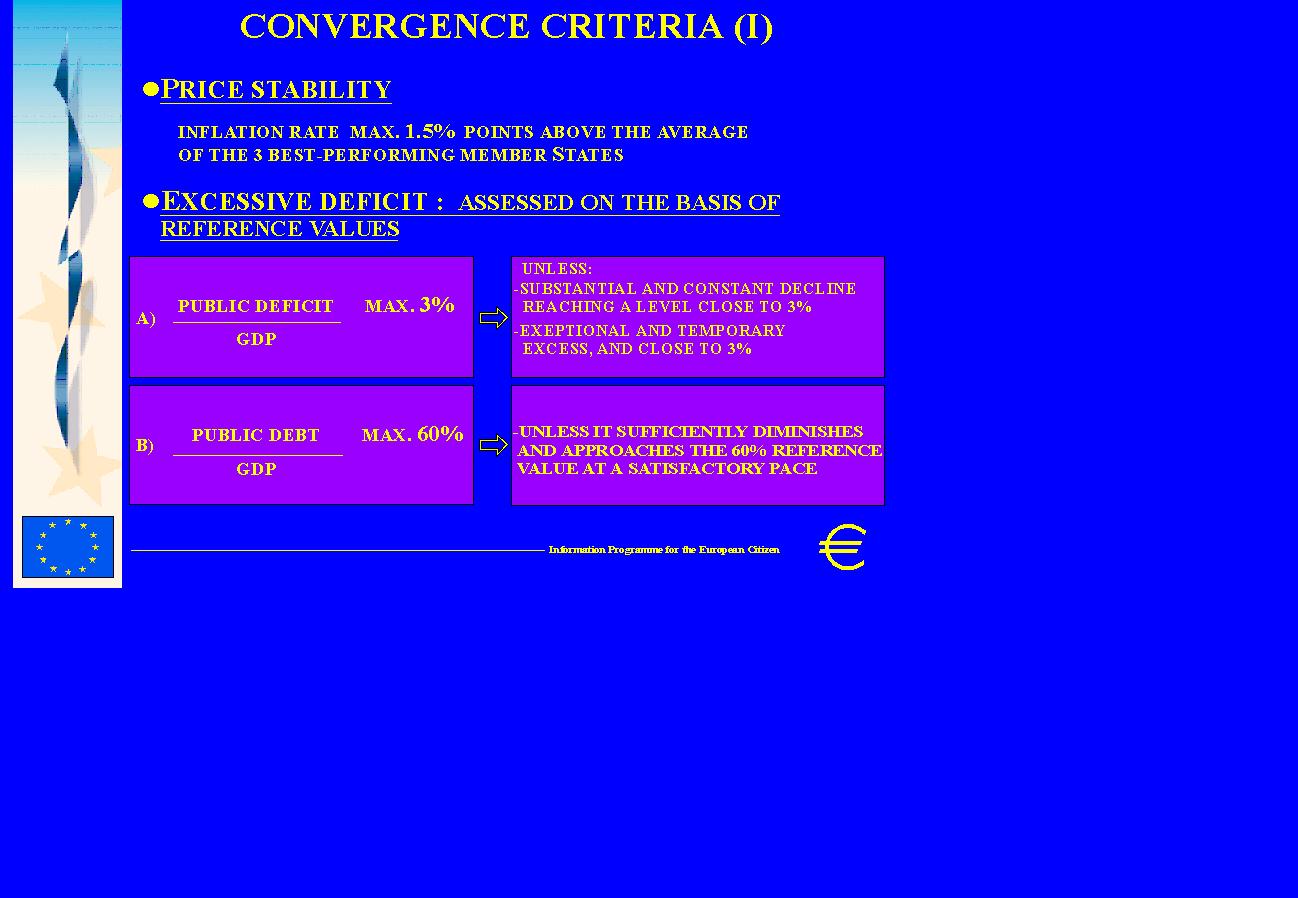
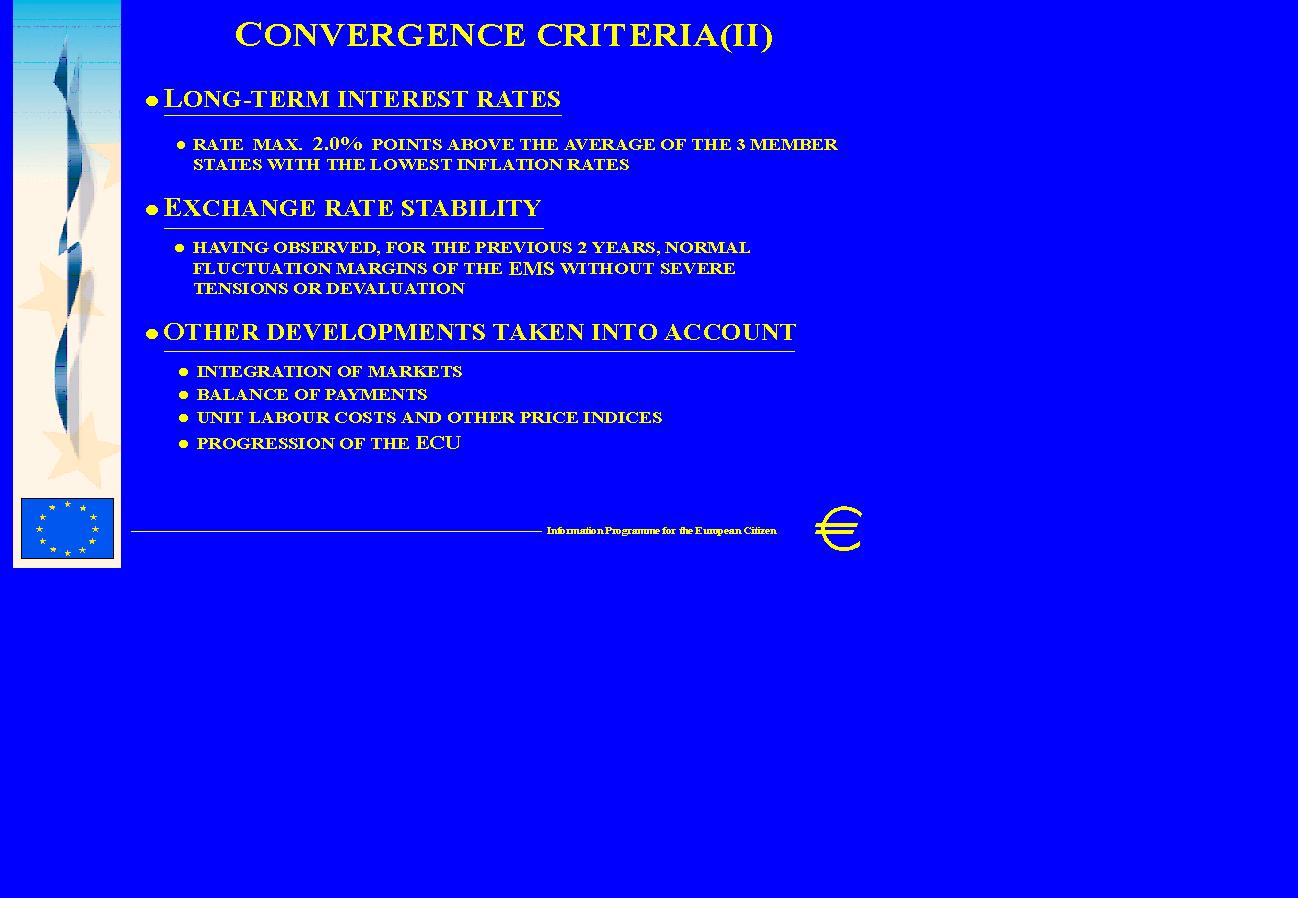
C. The Maastricht Treaty (Overview of Treaty) (Countries in Eurozone) (Timetable) (ECB Structure) (Criteria (1)) (Criteria (2))
D. The Amsterdam Treaty
E. The Nice Treaty
IV. Issues in Monetary Union: Domestic Interests and Systemic Challenges (Benefits)
Simulation: Negotiating Change in a Multiple-Level Game: The EU Commission, the Council of Ministers, and the Parliament
Paper #2: The EU Policy Position Paper

Key Concepts: supranational organizations, the Benelux Customs Union, the European Coal and Steel Community (ECSC), common external tariff (CET), the Treaty of Paris (1951), High Authority, the European Economic Community (EEC), the Treaty of Rome (1957), the Common Agricultural Policy (CAP), the Luxembourg Compromise (1966), treaties of accession, the European Commission, the Council of Ministers, the European Parliament, the European Court of Justice, the European Council, Court of Auditors, European Central Bank (ECB), Inter-Governmental Conferences (IGCs), qualified majority voting, blocking minorities, co-decision, the principle of subsidiarity, own resources, value-added tax (VAT), cohesion funds, the democratic deficit, the "snake," the European Monetary System (EMS), the Exchange Rate Mechanism (ERM), the Single European Act (SEA), the Common Foreign and Security Policy (CFSP), cooperation procedure, consultation procedure, assent or withholding of assent, the ecu, the Maastricht Treaty (1992), the euro, capital controls, the Maastricht convergence criteria (also, the "growth and stability pact"), conversion rates for the euro, optimal currency area, non-tariff barriers, the Amsterdam Treaty.
Key Individuals: Jean Monnet, Robert Schuman, Konrad Adenauer, Charles de Gaulle, Jacques Santer, Jacques Delors, Oskar Lafontaine, Gerhard Schröder, Jean-Claude Trichet, Wim Duisenberg, Romano Prodi.
Study Questions:
(May 19, Wednesday)
What have been the three most important institutional changes in the European Union since its inception? List them in order of importance.
How has the problem of sovereignty affected the institutions of the European Union? List three factors in order of importance.
(May 21, Friday and May 24, Monday)
How has the European monetary system evolved in an "asymmetric" fashion? Assess both the upsides and the downsides of this asymmetry.
Assess to what extent the project of European monetary union is positive for domestic economies in Europe. Discuss at least three areas in which monetary union will improve domestic economies. Be prepared to also point to two down-sides of monetary union.
(May 26, Wednesday)
Discuss the interests of Germany, the Low countries, Spain and Greece, and the Scandinavian countries in monetary union. What are their interests? How do they see the process of monetary union? How do they view Germany's role (and how does Germany see itself in the EU)?
Choose a policy area (represented by a chapter in the Wallace and Wallace book). Devise a preference ordering for the country (or countries) you selected in the Katzenstein book Tamed Power with regard to your chosen policy area. Coordinate your position with other policy area "experts" and prepare to represent your position in the Commission, Council, or Parliament during the simulation.