Political Science 120, Comparative Political Regimes Winter Term 2005
Session 4: 'Third World' States: Development and Democracy
I. Dependency Theory (graphic)
A. Deterministic Approaches (graphic)B. Neo-Marxist Approaches
C. National Development Pathways
D. Statist vs. Liberal Approaches (graphic) (graphic)
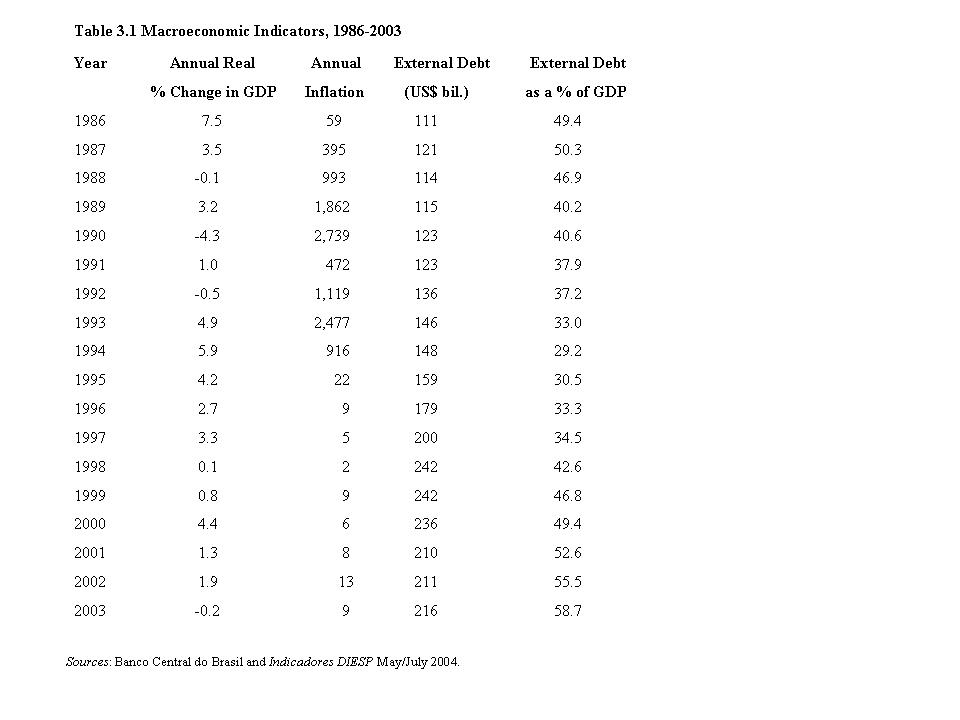
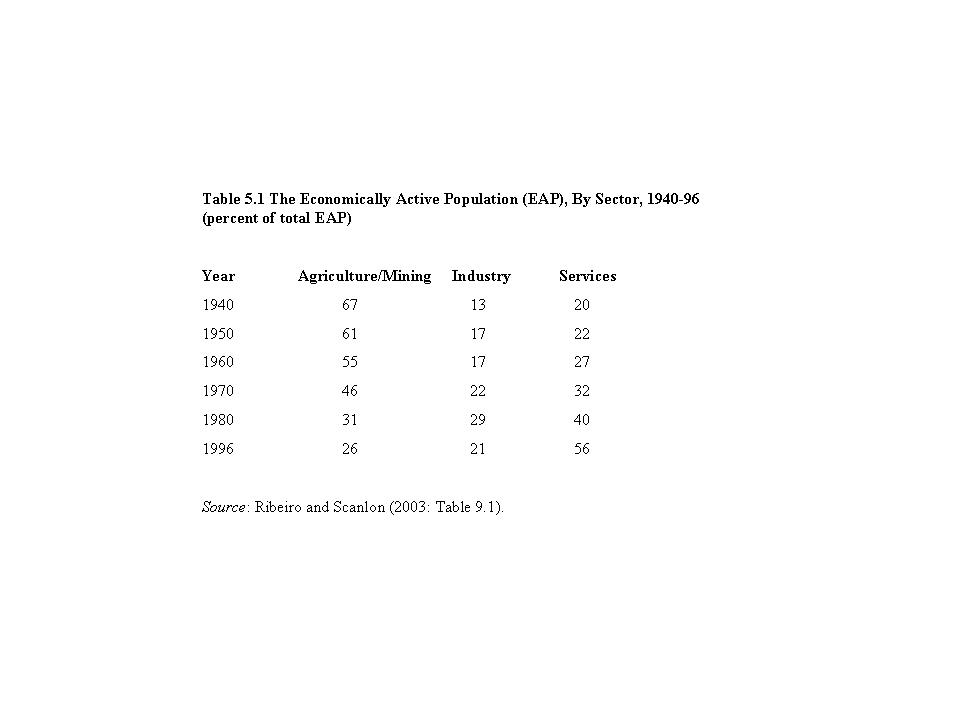
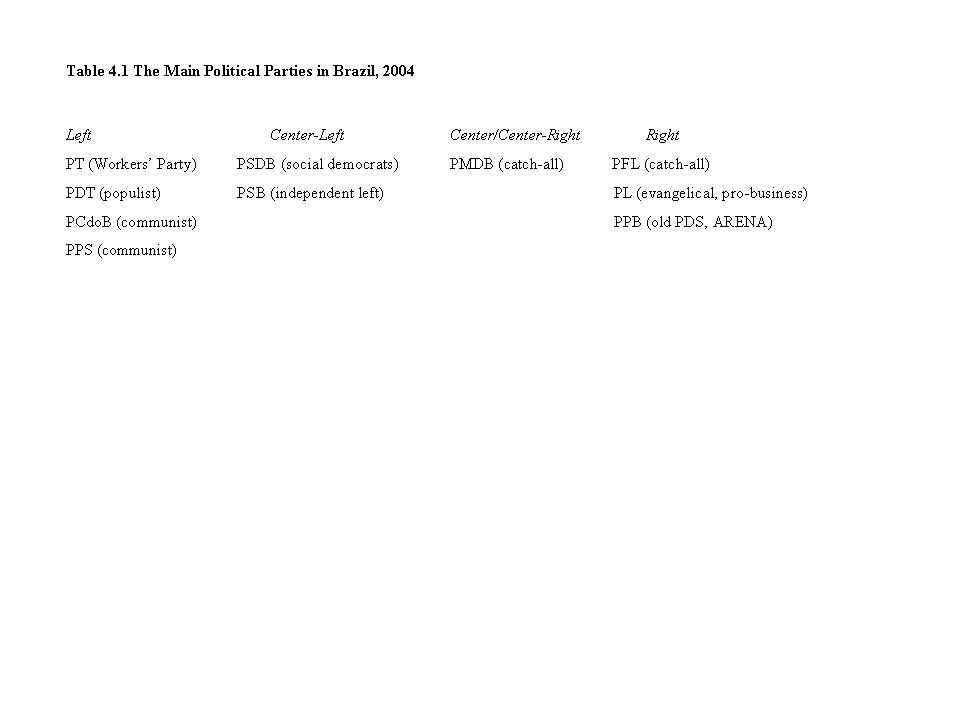
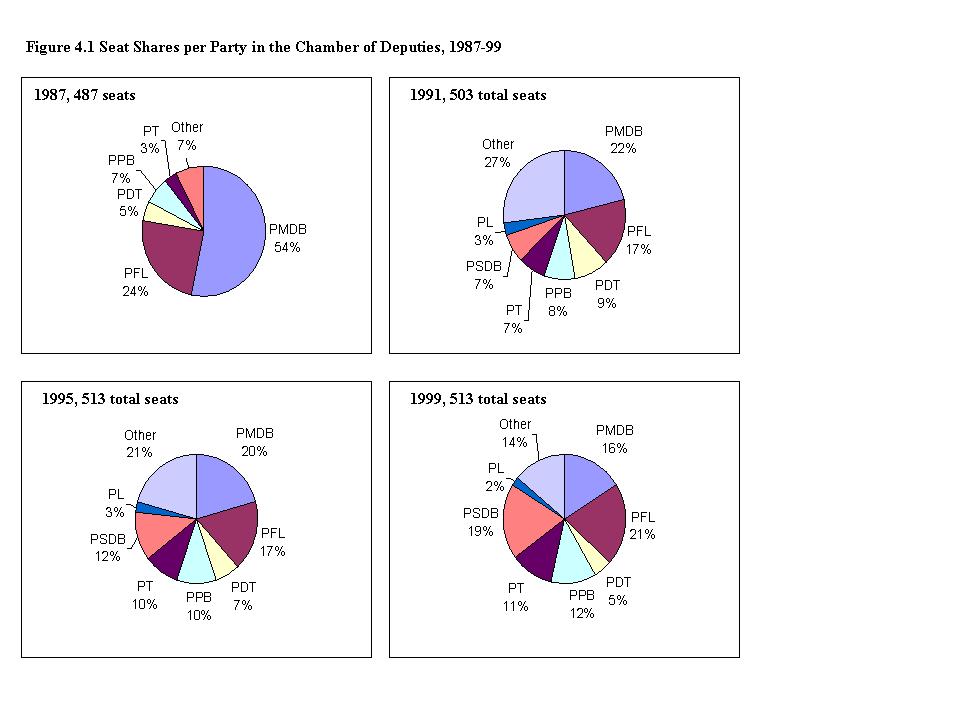
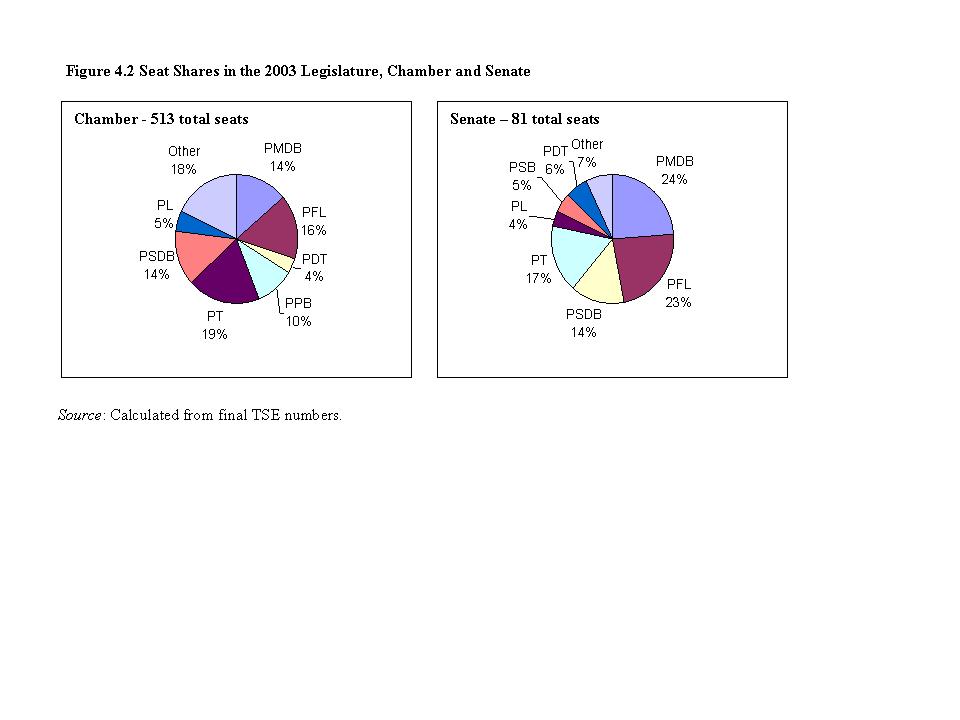
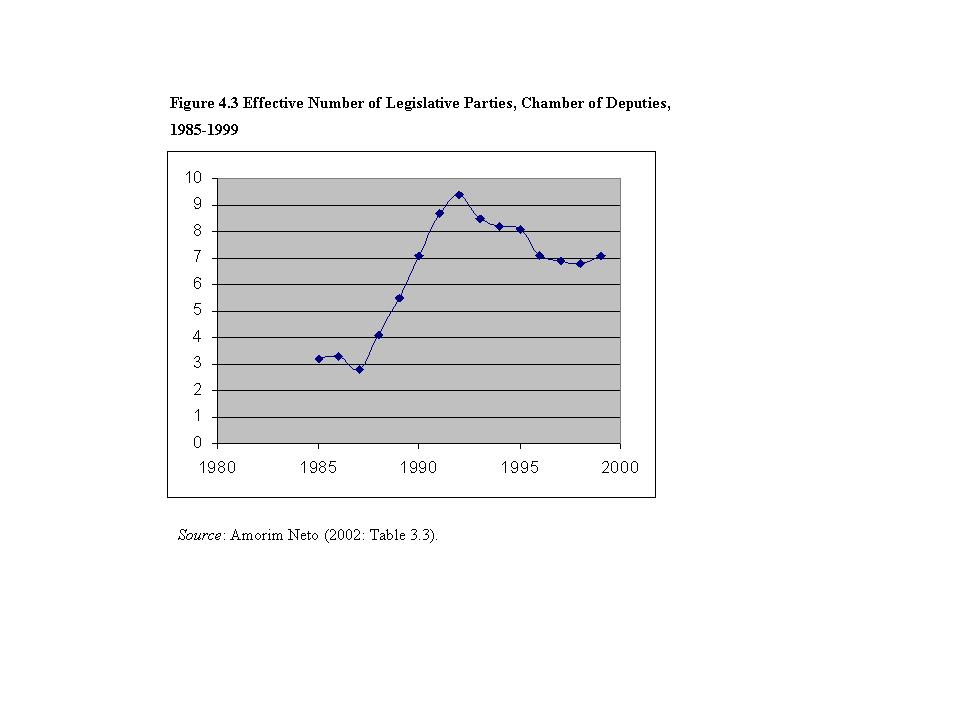
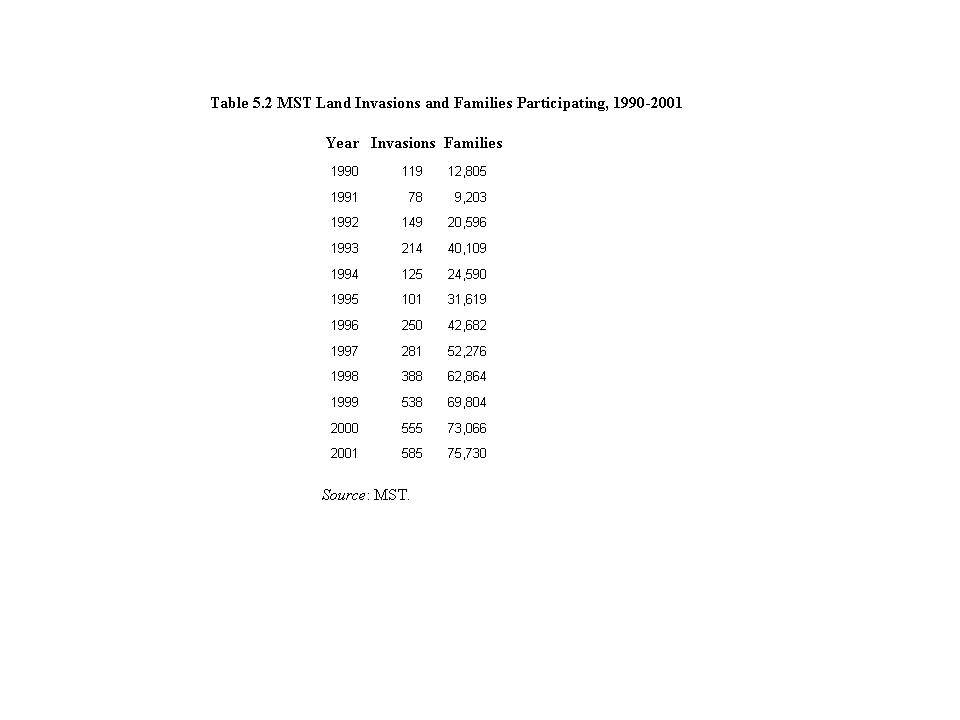
E. The Case of Brazil (graphic) (graphic) (graphic) (graphic) (graphic) (graphic) (graphic)
II. Colonial Legacies in Developing Country States
A.The Colonial Strategy of "Divide and Rule" (graphic)B. The Effects of Indirect Rule
C. The Colonial Military (graphic)
III. How Underdevelopment Affects Democracy
IMF Simulation
Key Concepts: dependency theory; core v. periphery; the semi-periphery; transfer payments and multinational corporations; enclave v. diversified economies; divide and rule (indirect rule); the merchant capital sector; the household production sector; disengagement; the "scramble for Africa."
Key Individuals: Catherine Boone, Cynthia Enloe, Andre Gunder Frank, Immanuel Wallerstein, Fernando Henrique Cardoso and Enzo Faletto.
Study Questions:
(February 23, Wednesday)
Describe the particular pathway of development of Brazil with a particular focus on growth and social equity. List the three major characteristics of this pathway.
What was the role of the state in Brazil's development pathway? Identify the three key functions the state fulfilled.
(February 25, Friday)
How has the pathway of development in Brazil enhanced or undermined the development of democratic institutions? List the three major effects.
How has the role of the state in Brazil’s development pathway enhanced or undermined the development of democratic institutions? List the three major effects.
Floating Comprehensive Exam Questions: Answer One (Due Tuesday, March 8)
(A) Compare the development pathways of Brazil with two of the other countries we have studied. Determine which has been better able to promote (a) economic growth, (b) state capacity, and (c) elite accountability. Be sure to highlight, for each category, the major factors that explain the differences you identify.
(B) Select two of the countries we have studied and, comparing these countries with Brazil, assess how state capacity has been affected by the development pathway. Identify key causal variables and support a hypothesis (or two) with comparative references to the three countries you have selected.